

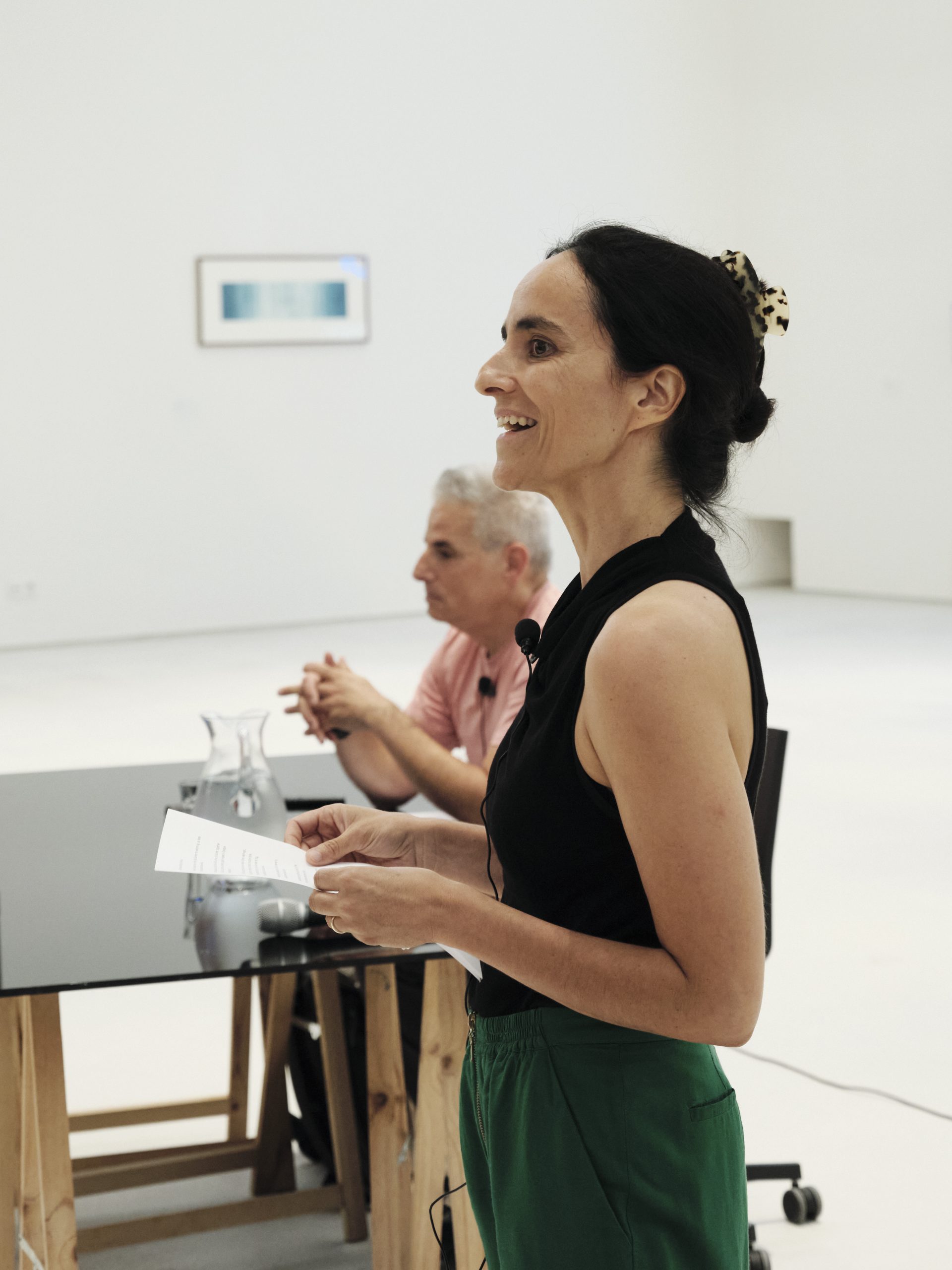
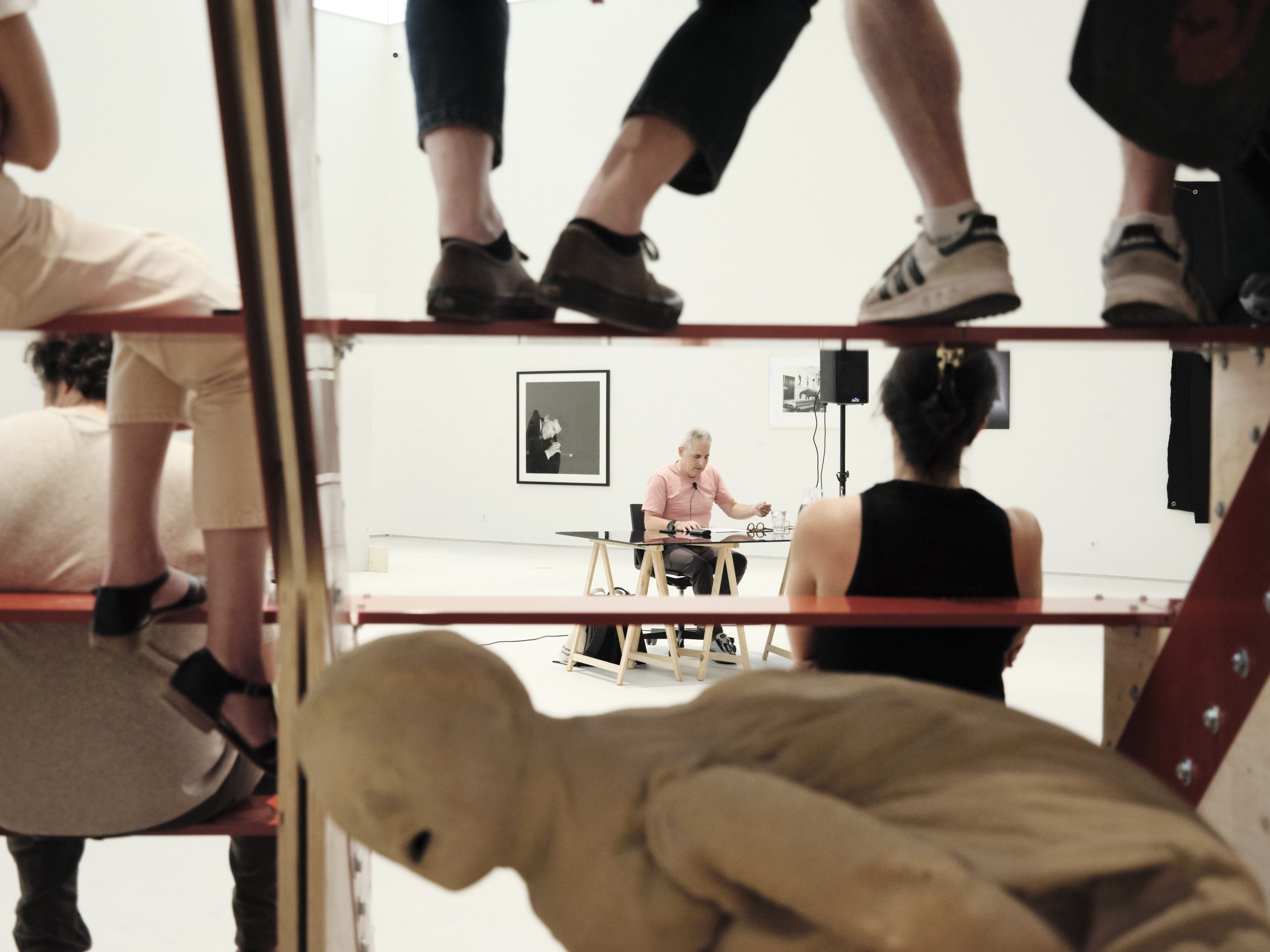
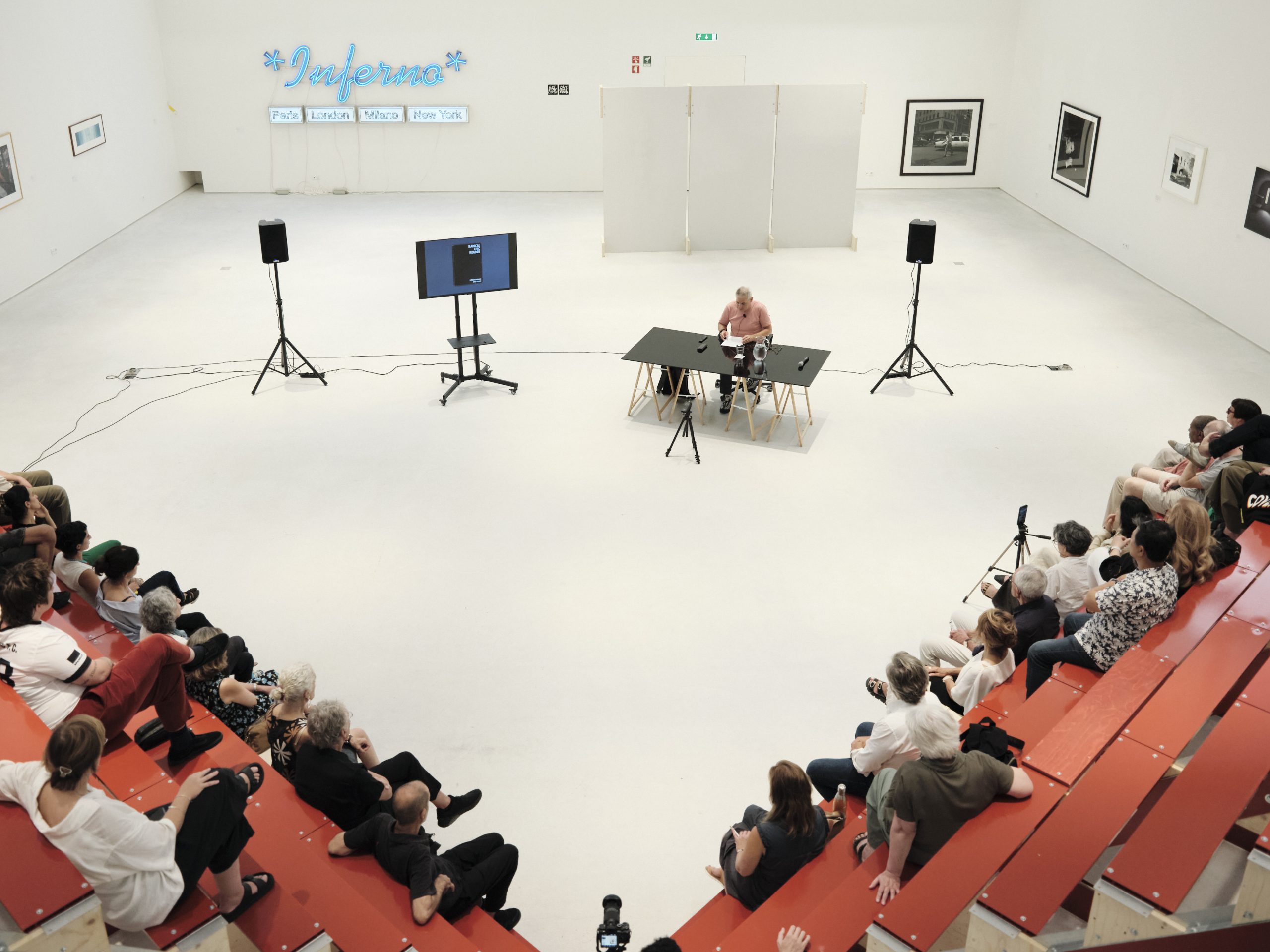
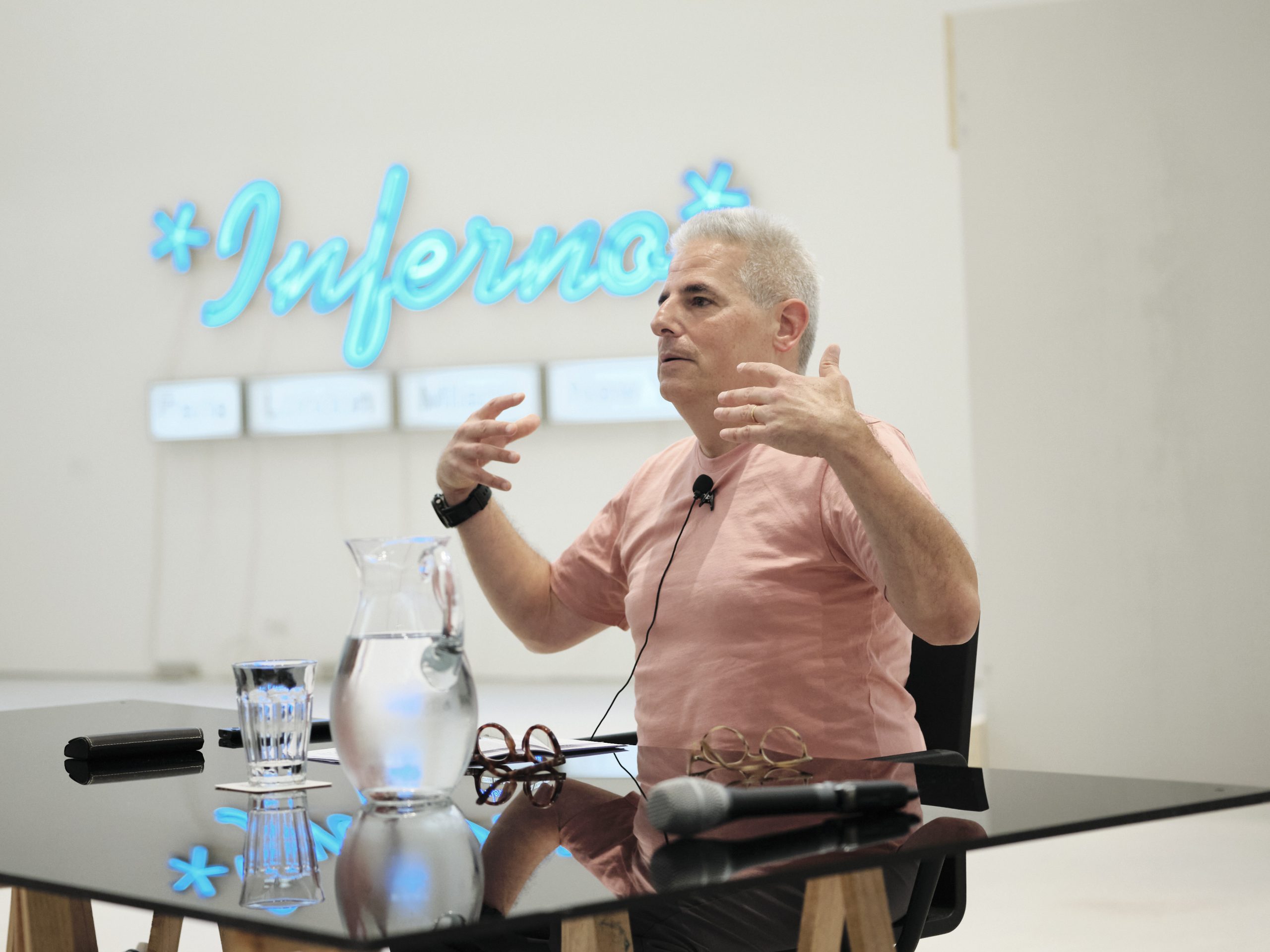
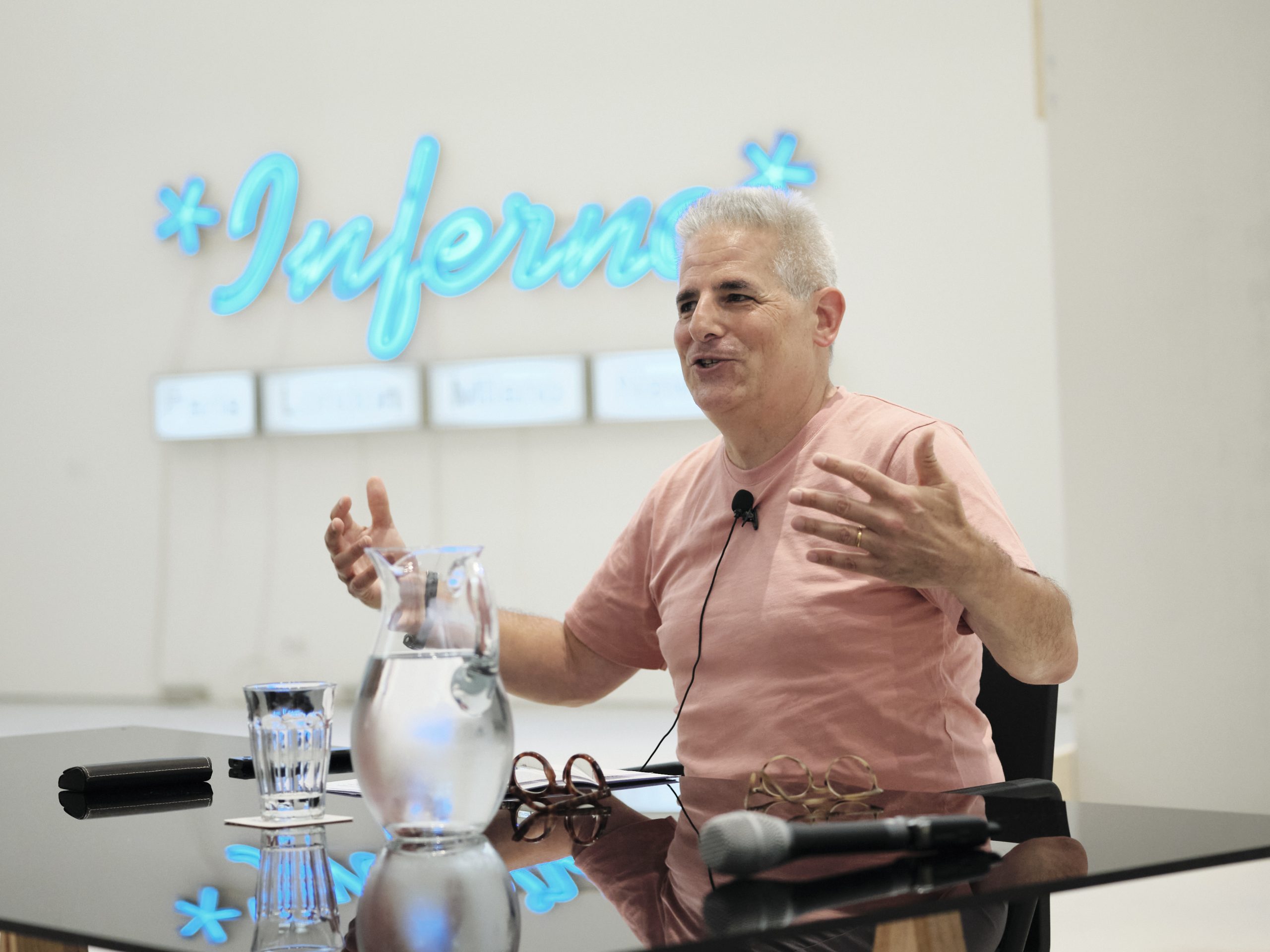
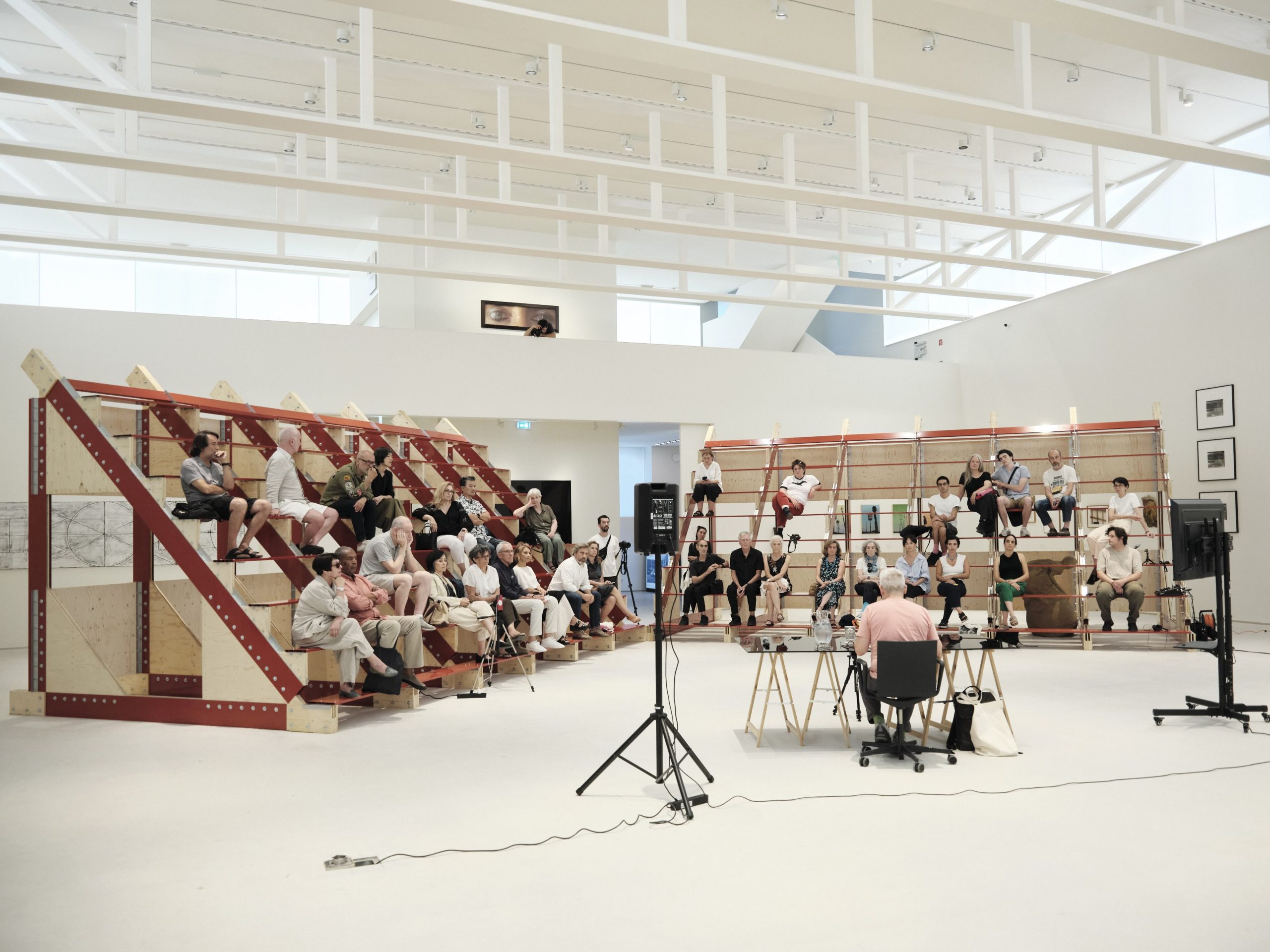
A series of public talks by Joshua Decter
July, 8
“Art and our Contradictions: Financialization, Protest, Metapolitics, Fragmentation”
We will think about how art is at once entangled within – and embodies – certain broader social and cultural contradictions, even as art (and its various institutional and economic systems) seeks to address societal injustices, inequities, and environmental crisis. If we consider art to be an instrument that claims to offer solutions to various social and political problems, can art accomplish this without generating or reproducing other inequities? There has been a longstanding desire for art to operate in the realm of Realpolitik, for it to function not merely as soft power, but also as hard power, and yet art tends to be suspended in a sort of meta-political or para-political amber. If anything, it may be art as a form of capital (in hyper-financialized times) where a ‘political dimension’ may appear, paradoxically.
September, 30
“Some Limits of Reason: Can art be transgressive?”
This is the title of an exhibition of paintings and sculptures by Julião Sarmento that took place at the Sean Kelly Gallery in New York in 2005. The show explored various notions of transgression, in relation to Foucault’s reflections on Bataille’s concept of transgression. Here we can consider Sarmento’s synthesizing of these philosophical concepts in his art as a jumping off point to speculate if and how art can be transgressive in our current (and future) circumstances, and to think about what transgression means in the 21st Century… particularly since ‘god’ died long ago (Foucault speaks of the death of god in relation to Bataille).
October, 14
“The Social Media History of Art (The Work of Art in the Age of Social Mediation)”
How to imagine a revisionist contemporary art history in relation to how art has been recontextualized – and decontextualized – on social media? I will propose that it is possible, if not necessary, to develop a revisionist contemporary art history that investigates how art has been transformed within the circuits of social media. One aspect of this argument will be based on a history of art in the digital realm from the 1990s onwards that serves as a technological and cognitive precursor to art’s presence on social media. Can social media be considered a medium? And does AI mean that anyone can potentially be an artist? Or is it that AI will become the artist, and human beings merely the material/medium for AI?
Duration: 45 minutes + 15 min Q&A
Time: 6 pm (all sessions)
Please note that attending the talks requires a valid admission ticket. For ticket information please visit the Pavilhão Julião Sarmento website.
Pavilhão Julião Sarmento: Av. da Índia 172, 1400-207 Lisbon
Joshua Decter is a writer, curator, and art historian whose books include Art Is a Problem: Selected Criticism, Essays, Interviews and Curatorial Projects (1986-2012) published by JRP|Ringier in 2014, and Exhibition as Social Intervention: Culture in Action 1993, published by Afterall Books, also in 2014. Decter writes for Artforum, and has contributed to Art Review, Mousse, Umbigo, Texte zur Kunst, among other journals and magazines. He has authored exhibition catalogue essays for numerous artists since the late 1980s, including Catherine Opie, General Idea, On Kawara, Mel Chin, Monica Bonvicini, Rirkrit Tiravanija, Fred Wilson, Keith Haring, Joan Jonas, Anton Vidokle, Isa Genzken, Luisa Cunha, Jonathan Horowitz, Rick Lowe/Project Row Houses, and Amy Sillman.
His book Art Is a Problem encompasses seven chapters: Institutional Critique® and its Discontents; Aporia (art as politics, the politics of art); Everything is Social; Convoluted Cities; The (Un)De-definition of Art; What do we want from exhibitions?; On the Curatorial Road. By bringing together a selection of older and newer writings, Decter considers art’s paradoxical condition as both a historical and contemporary condition: i.e., art problematizes things, but it also has intrinsic problems. From this standpoint, Decter analyzes art’s various definitions, redefinitions, and functions; its ethical entanglements; its societal aspirations; and its cultural contradictions. The book considers examples of historical and contemporary art, architecture & urbanism, the interrelationship between museums and the critique of institutions, and curating considered as a language/practice that demands rethinking— in relation to various ideological, public, discursive, and social milieus. His other book, Exhibition as Social Intervention, is a deep dive into Mary Jane Jacob’s groundbreaking 1993 exhibition, ‘Culture in Action,’ which was a key moment in the rethinking of traditional museum curation and the conventions of public art. The book examines how this exhibition project – which took place within various urban sites throughout Chicago – helped to accelerate the transition from traditional notions of art in public space towards socially-engaged art and social practice.
Decter has curated exhibitions at PS1 (MoMA PS1), The Museum of Contemporary Art in Chicago, the Center for Curatorial Studies Museum at Bard College, the Kunsthalle Vienna, Friedrich Petzel Gallery, and Apex Art.
He has taught art history, art theory, curating, and exhibition histories at the University of Applied Arts in Vienna, the School of Visual Arts in NYC, The University of Southern California in Los Angeles, The Cooper Union in NYC, Bennington College in Vermont, The Center for Curatorial Studies at Bard College, The School of the Art Institute of Chicago, New York University, UCLA, and Art Center College of Design in Pasadena. He attended the Whitney Museum’s Independent Study Program in 1984-1985.
© Pavilhão Julião Sarmento, 2026, Fábio Cunha