

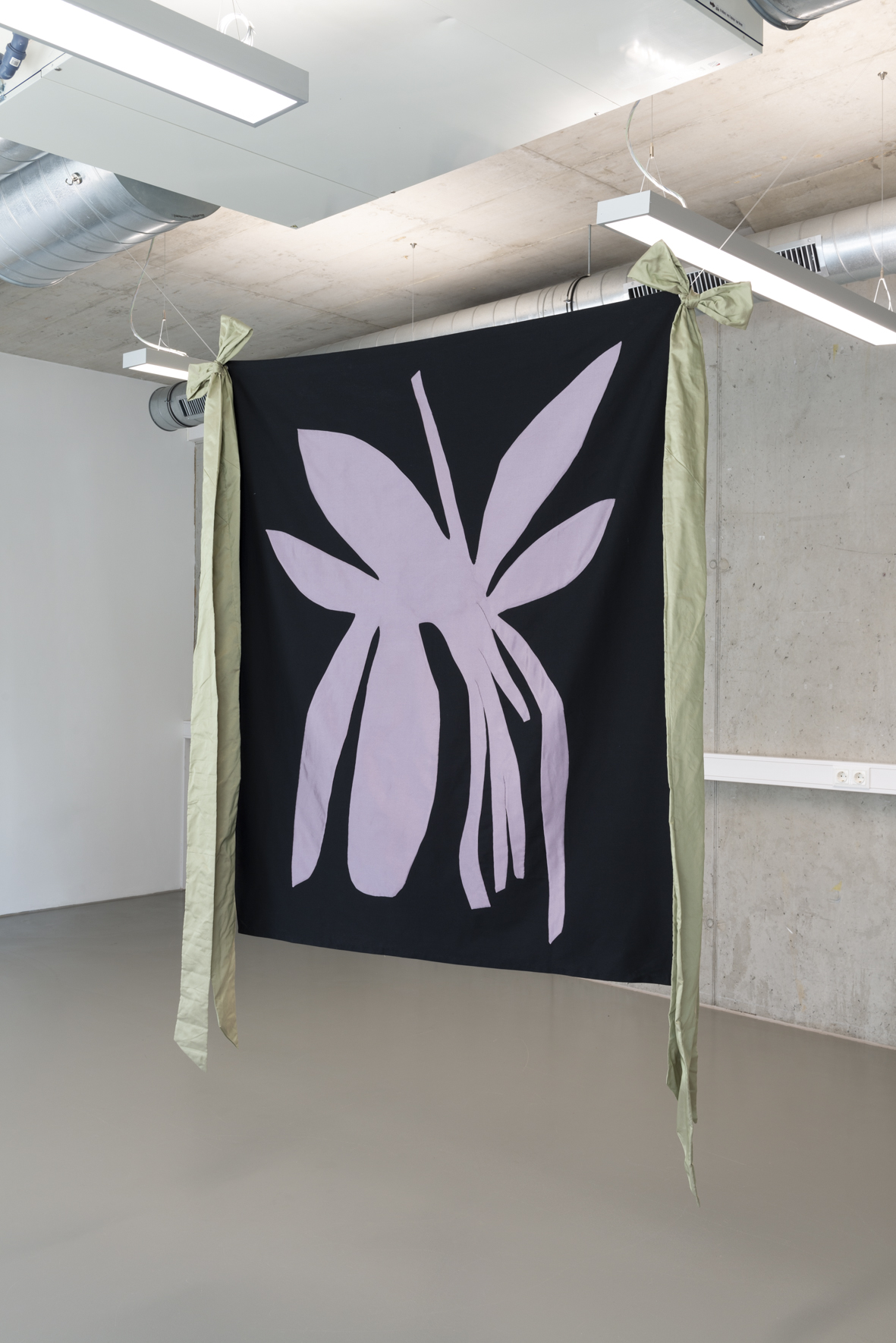
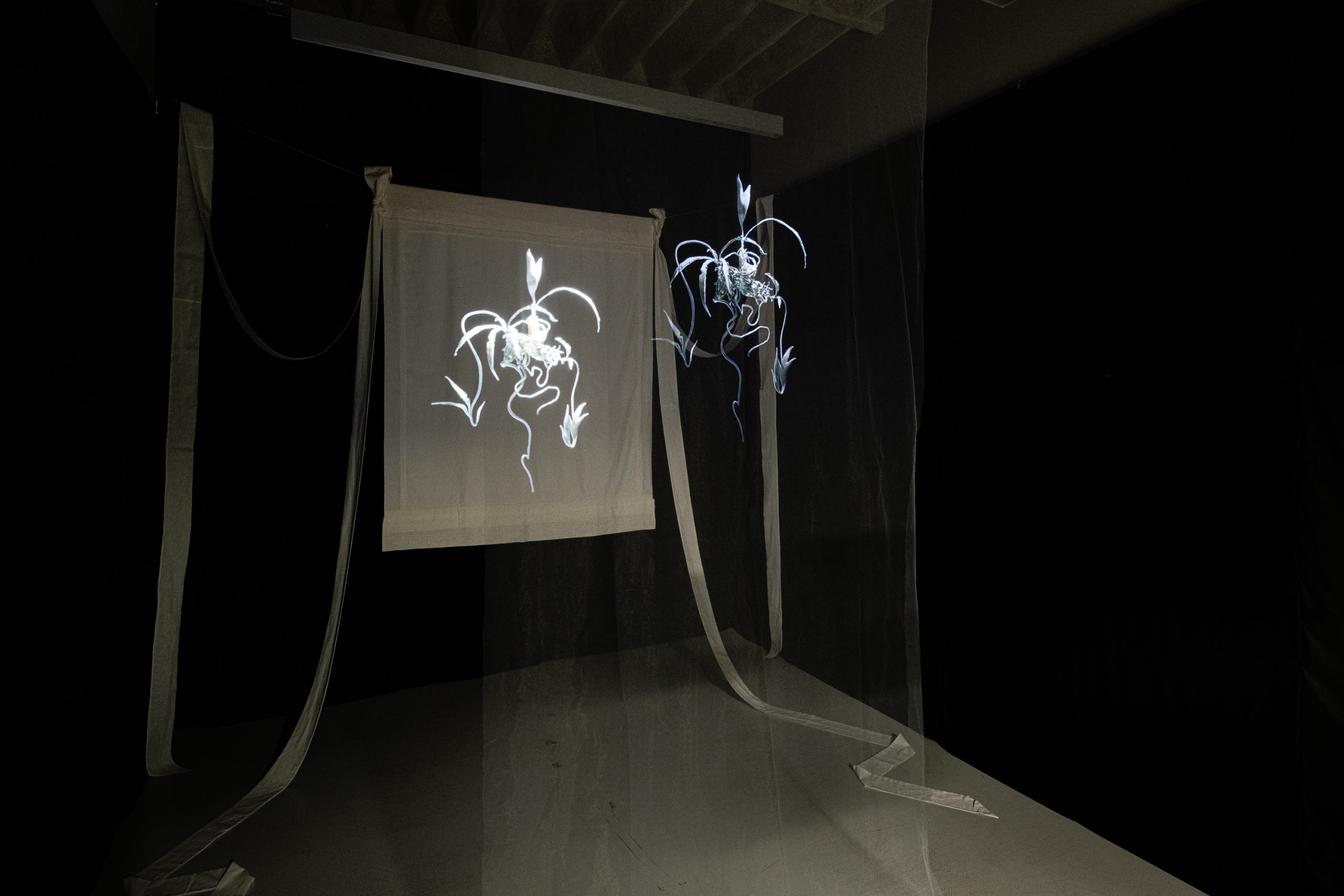
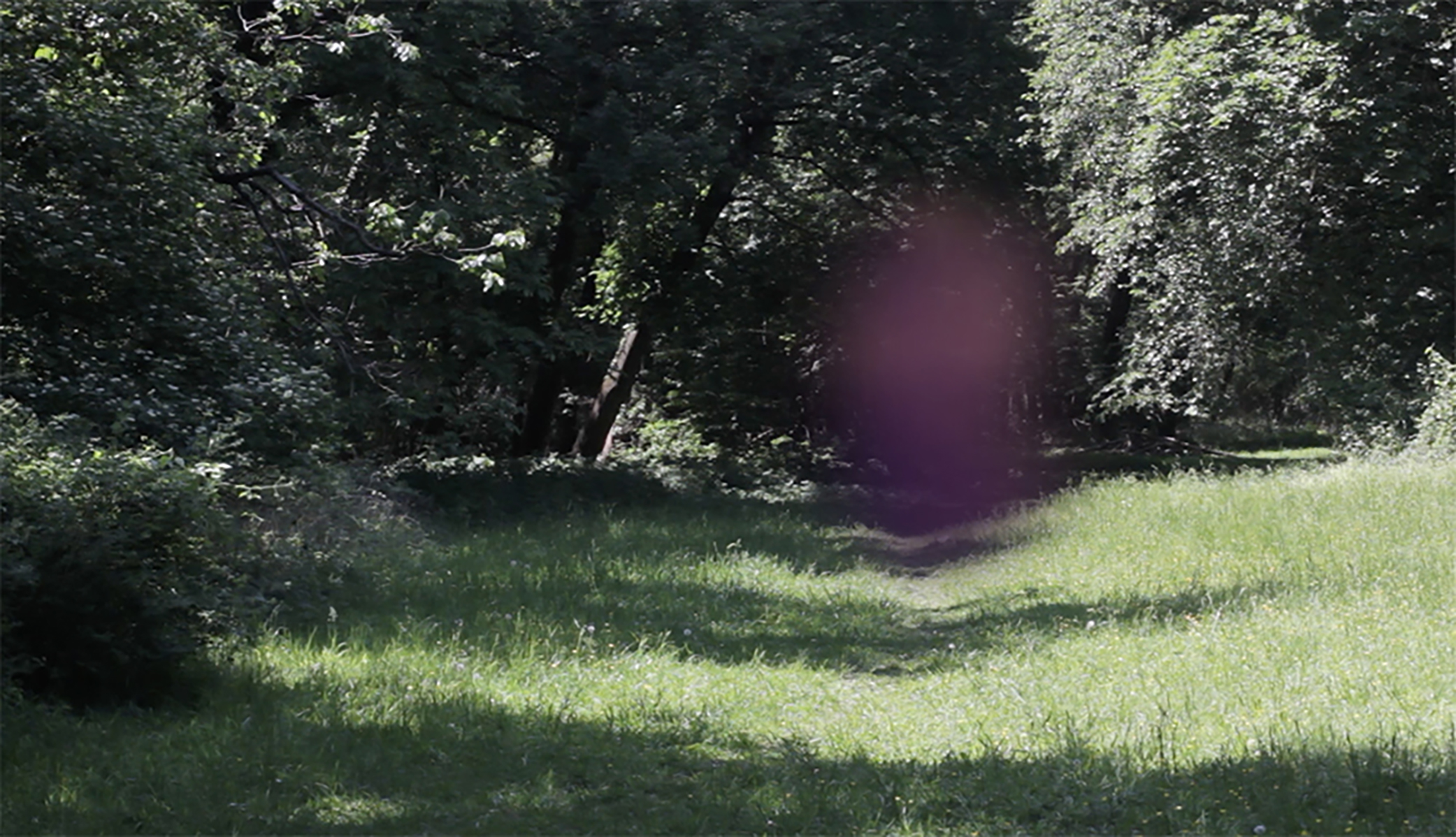
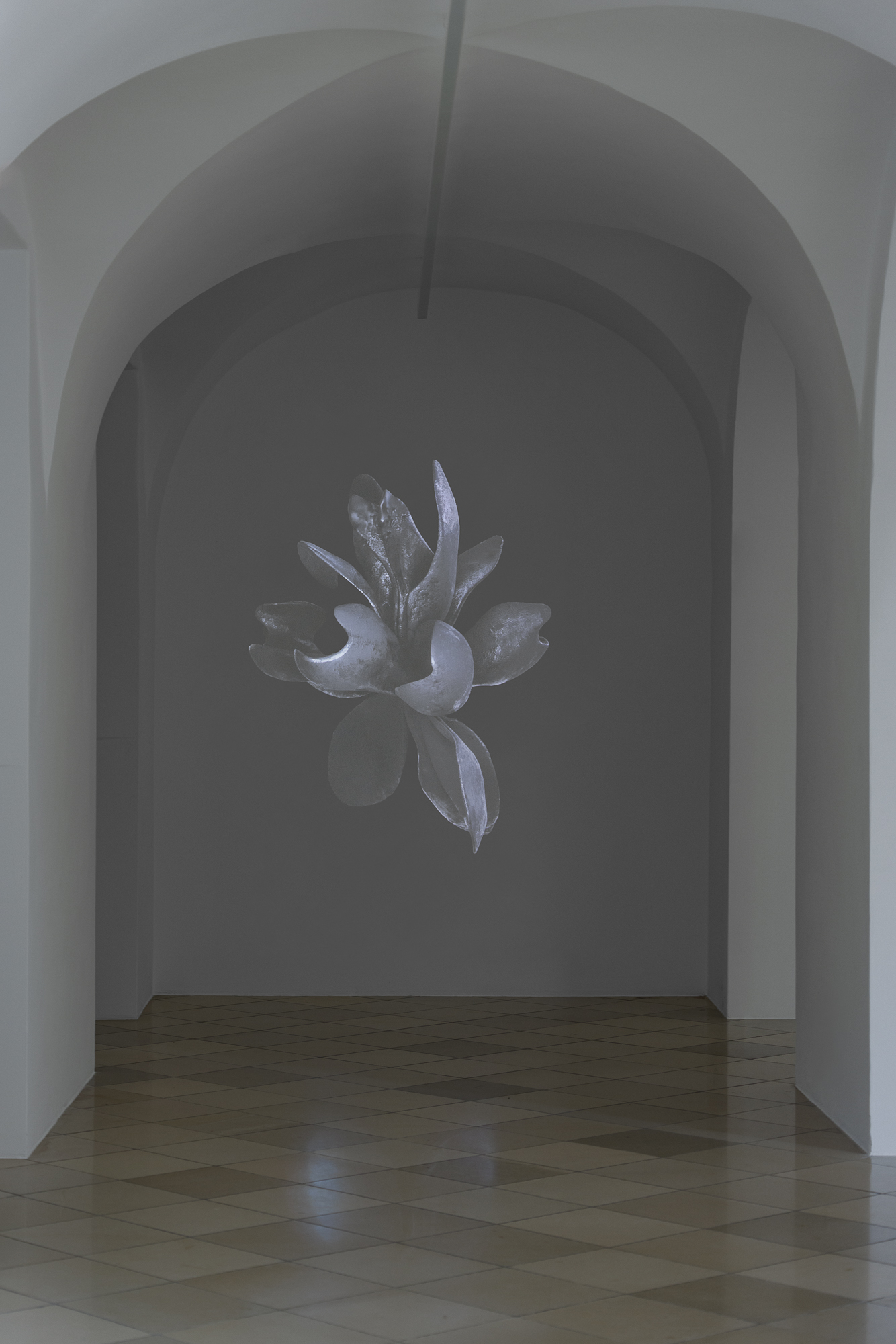
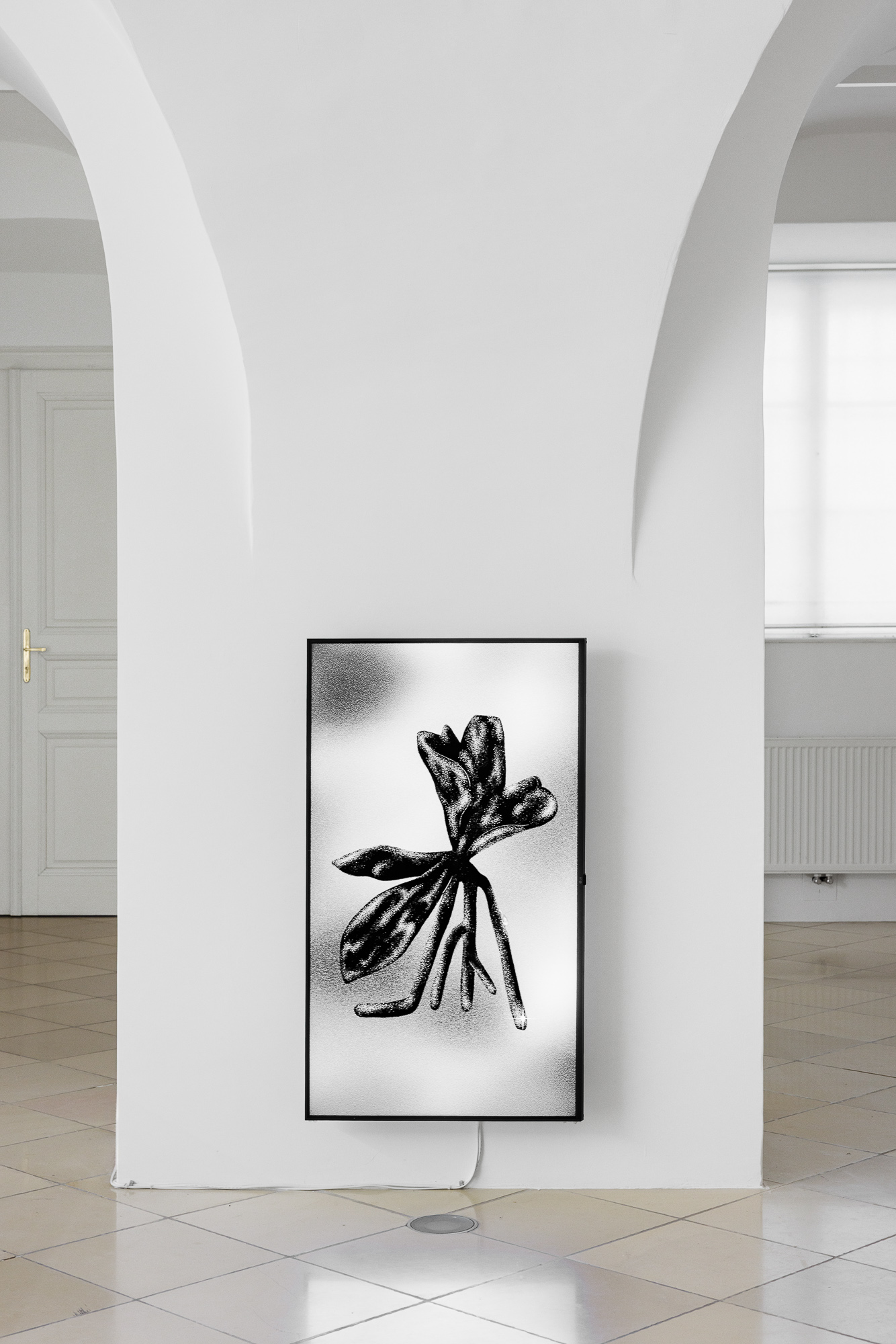
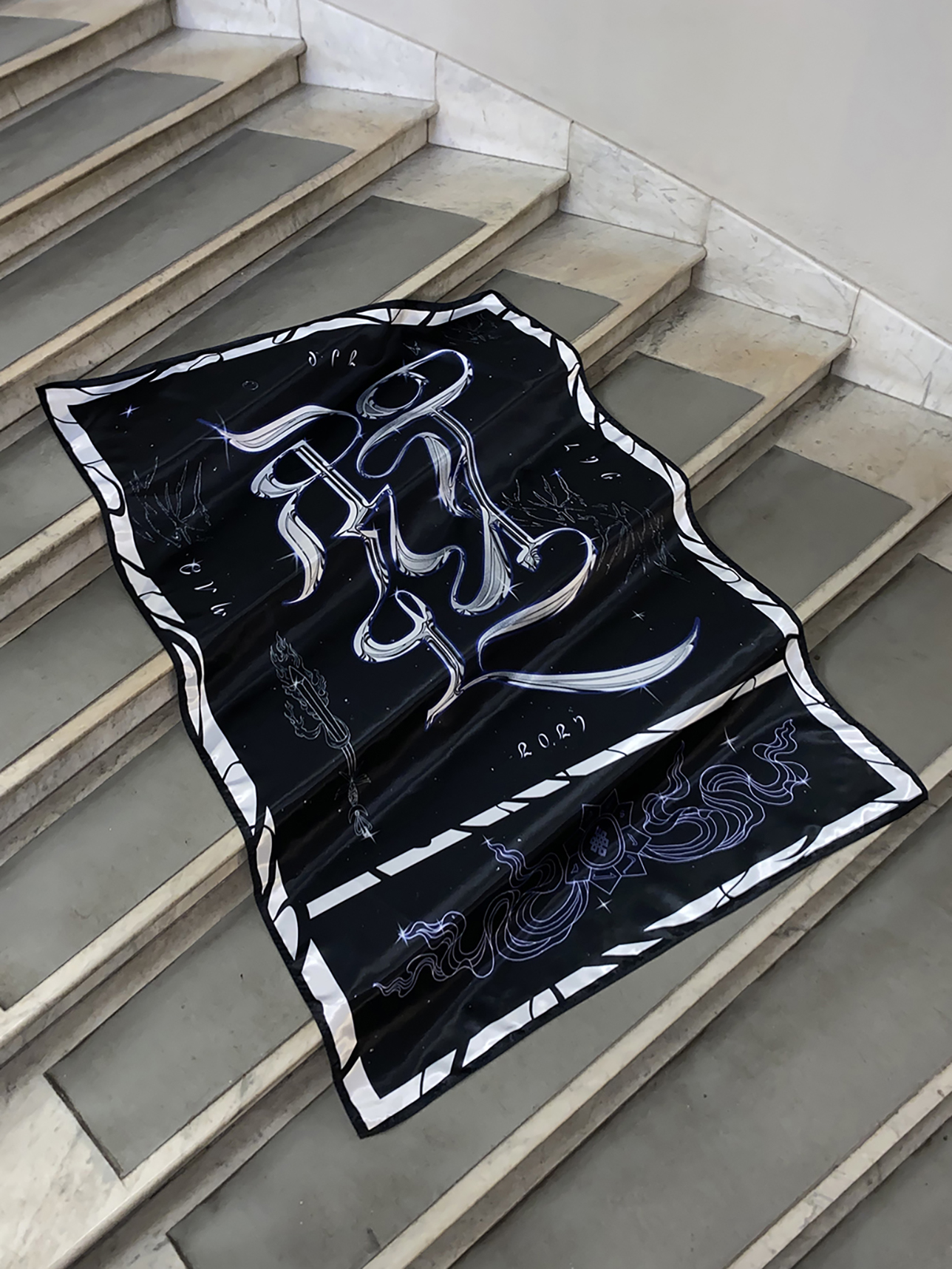
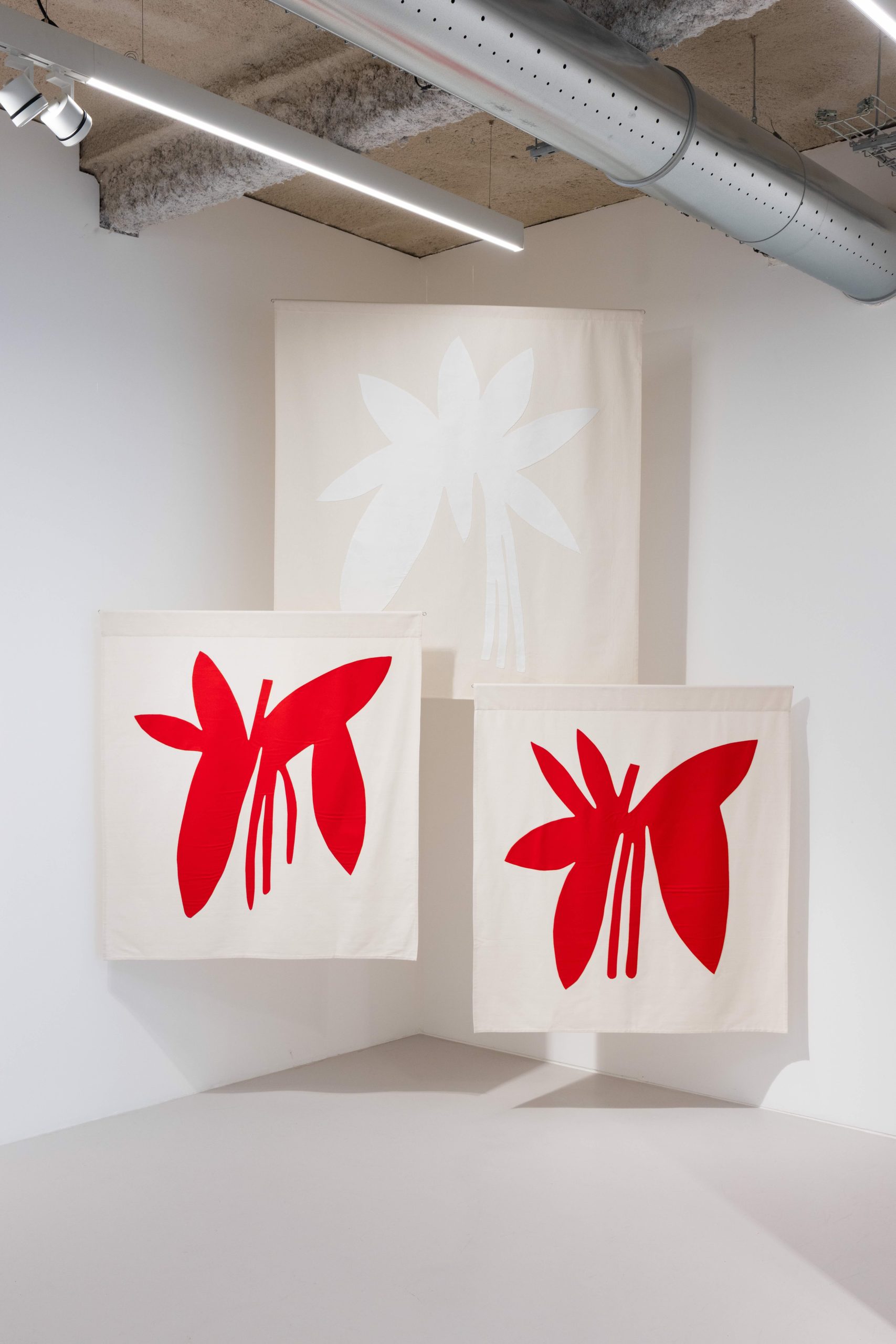
Mila Balzhieva is an interdisciplinary artist based in Austria. Rooted in her Buryat background, where spirits are spoken to and landscapes carry memory, her practice spans textiles, drawing, installation, and digital media. She explores more-than-human kinship, ecology, and technology through material processes that treat agency as distributed beyond the human. Her works often take the form of textile shrines, speculative plant glyphs, and portals where Buryat cosmologies intersect with contemporary technologies.
Balzhieva studied Graphic Design at Moscow State University of Design and Technology and received her MA in Art & Science from the University of Applied Arts Vienna. She is a recipient of the Kunsthalle Wien Prize and has received the BMKÖS Startstipendium for Fine Arts and the BMKÖS AI in Art grant. Her projects have developed through collaborations with institutions including the Natural History Museum Vienna and CERN, and have been supported by the Sharjah Art Foundation.
During her residency at AiR 351, Mila Balzhieva intends to further develop her plant glyph work through the botanical and paleobotanical landscapes of Portugal. Drawing on field research in Cascais and the surrounding region, she will investigate how contemporary plant ecologies relate to fossil records, using this encounter to extend her evolving glyph system.